
Live Here
Where is Harrington?
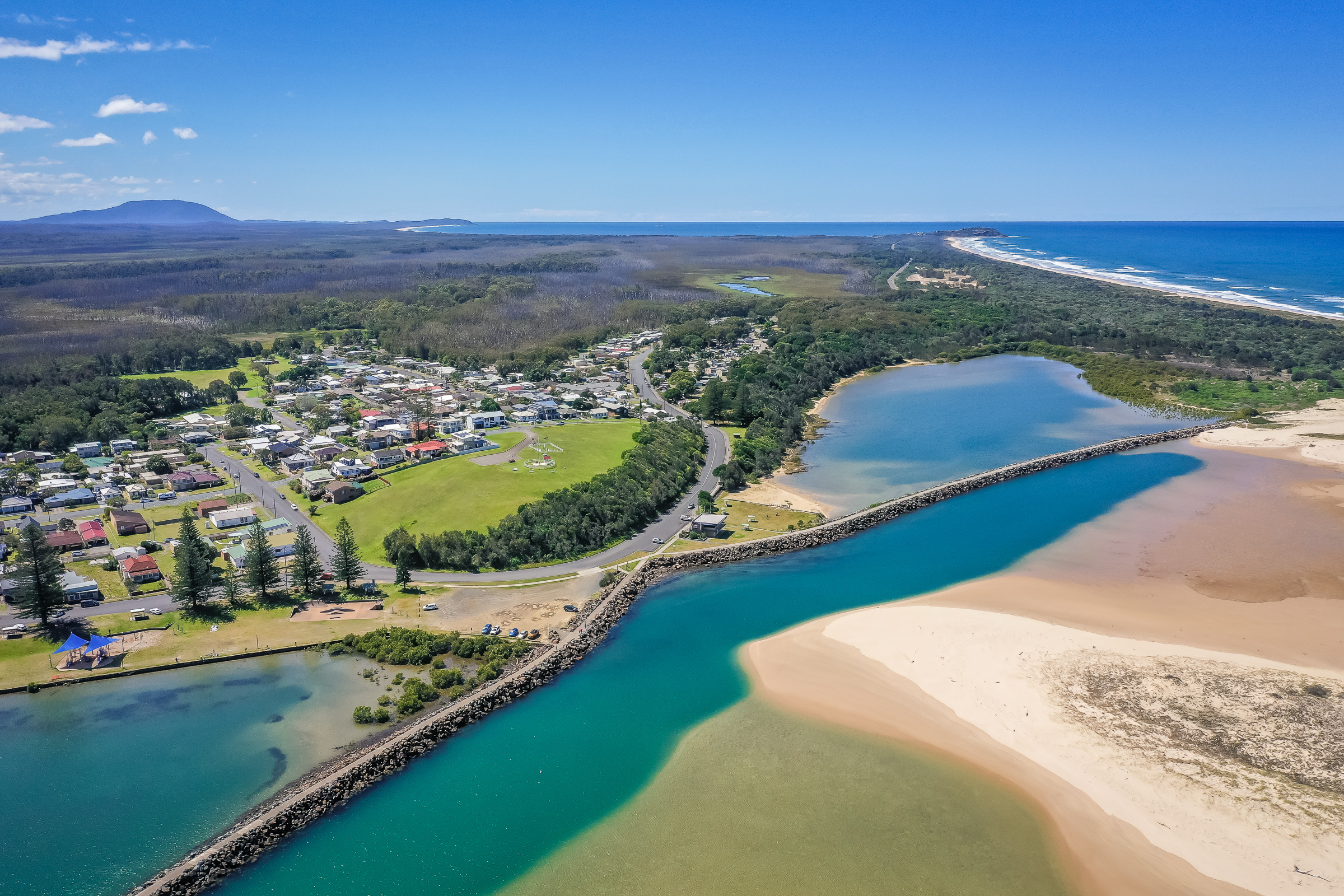
Harrington is located on the Mid North Coast of New South Wales, approximately 340 km north of Sydney and 600 km south of Brisbane. Situated at the northern entrance to the Manning River, it is midway between Port Macquarie and Forster and just 10 minutes from the Pacific Highway via Harrington Road.
Surrounded by the Pacific Ocean, Manning River, Crowdy Bay National Park and farmland, Harrington combines a relaxed coastal lifestyle with excellent community facilities. The town offers beautiful waterfront views, spectacular sunrises and sunsets, country hospitality and a welcoming community.
Harrington has preschools, a primary school, clubs, hotels, restaurants and a range of recreational activities. Larger regional centres are also within easy driving distance, making Harrington an attractive place to live, raise a family or enjoy retirement.
Harrington History
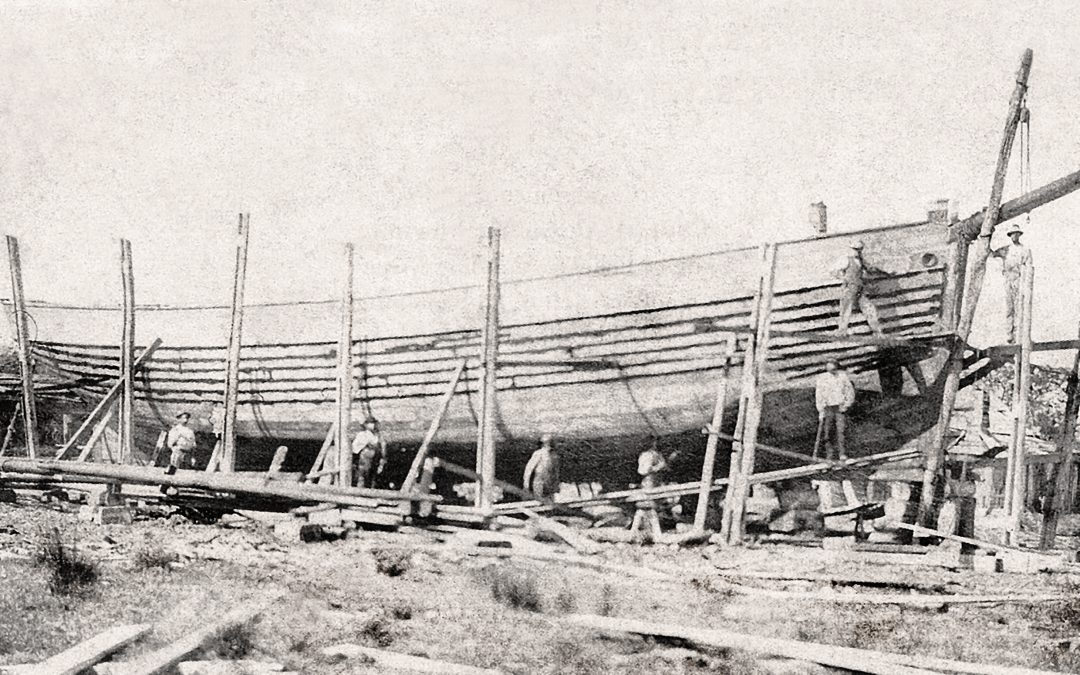
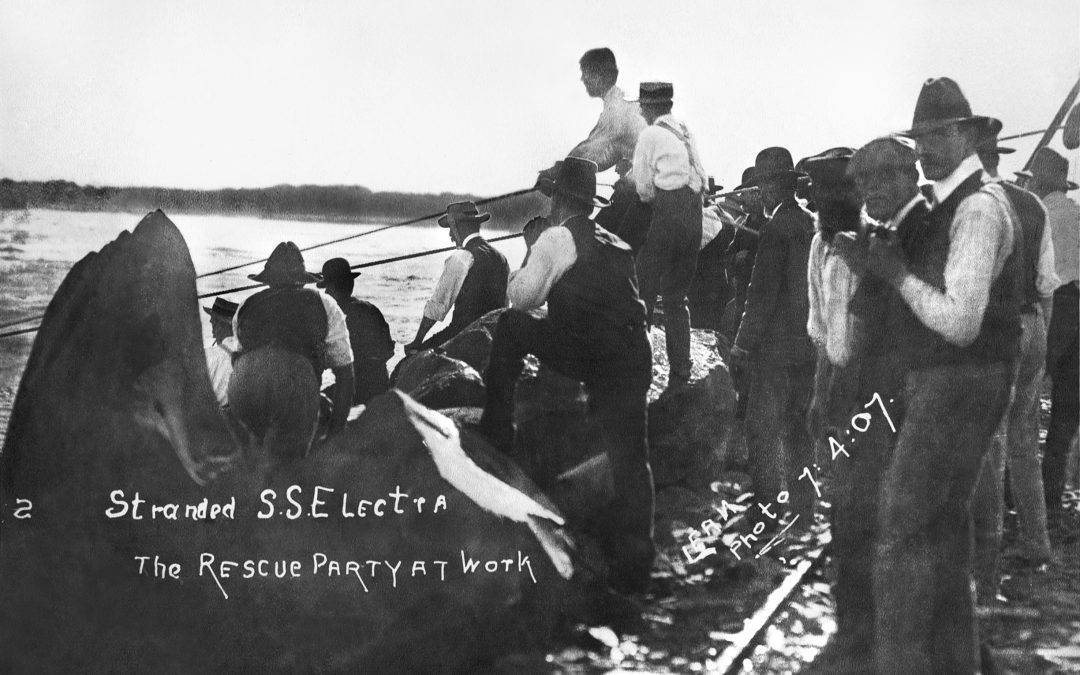
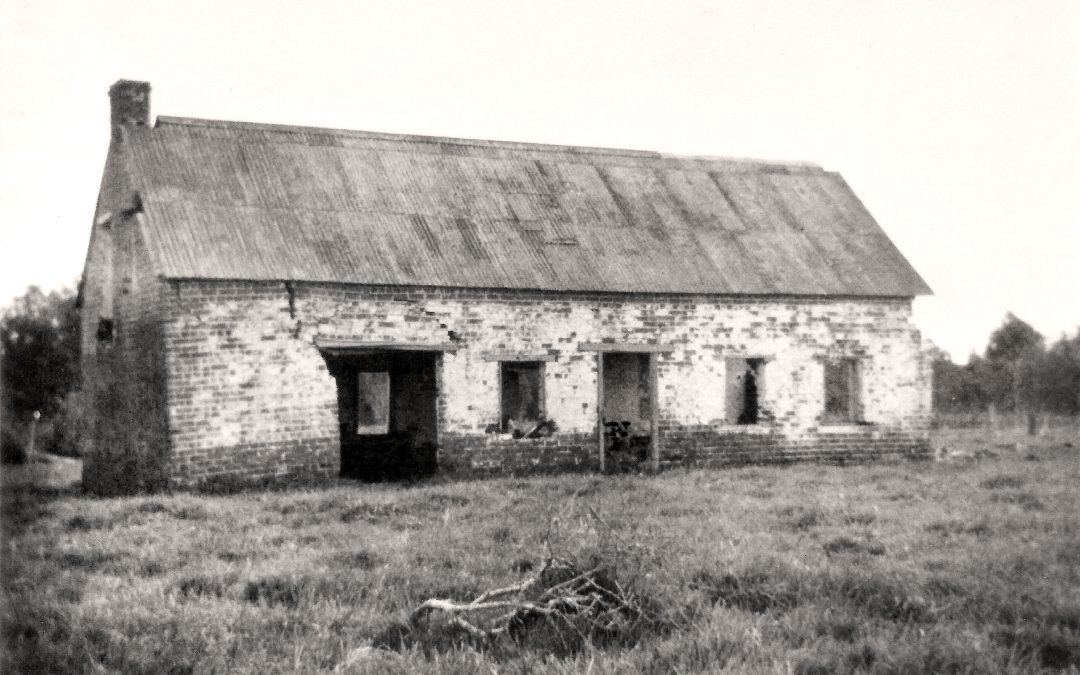
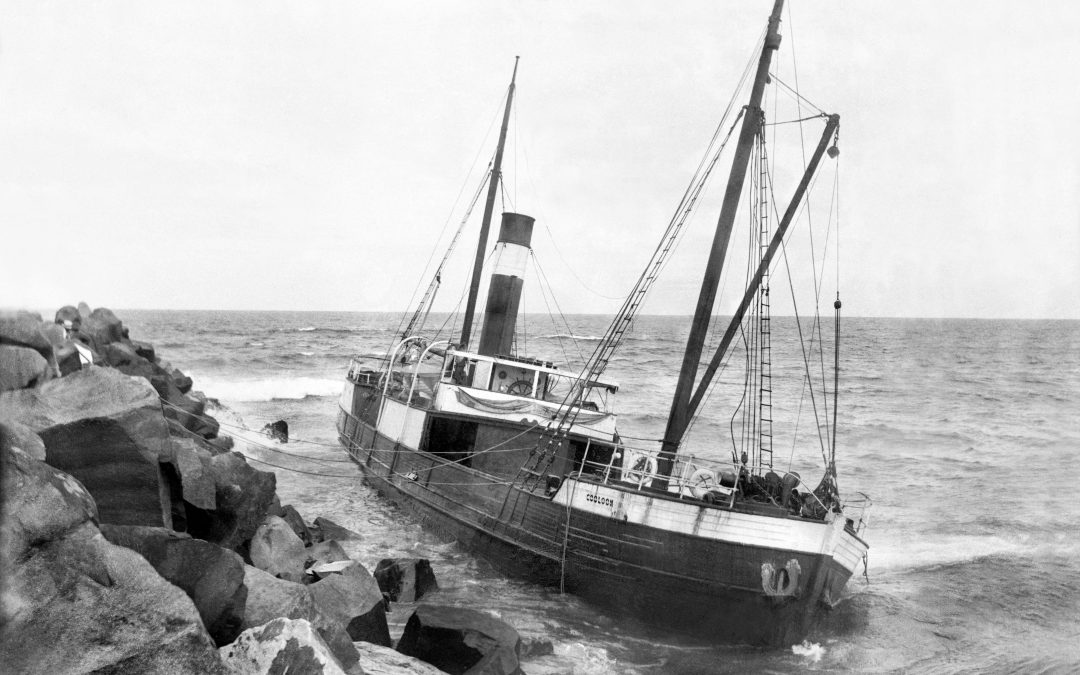
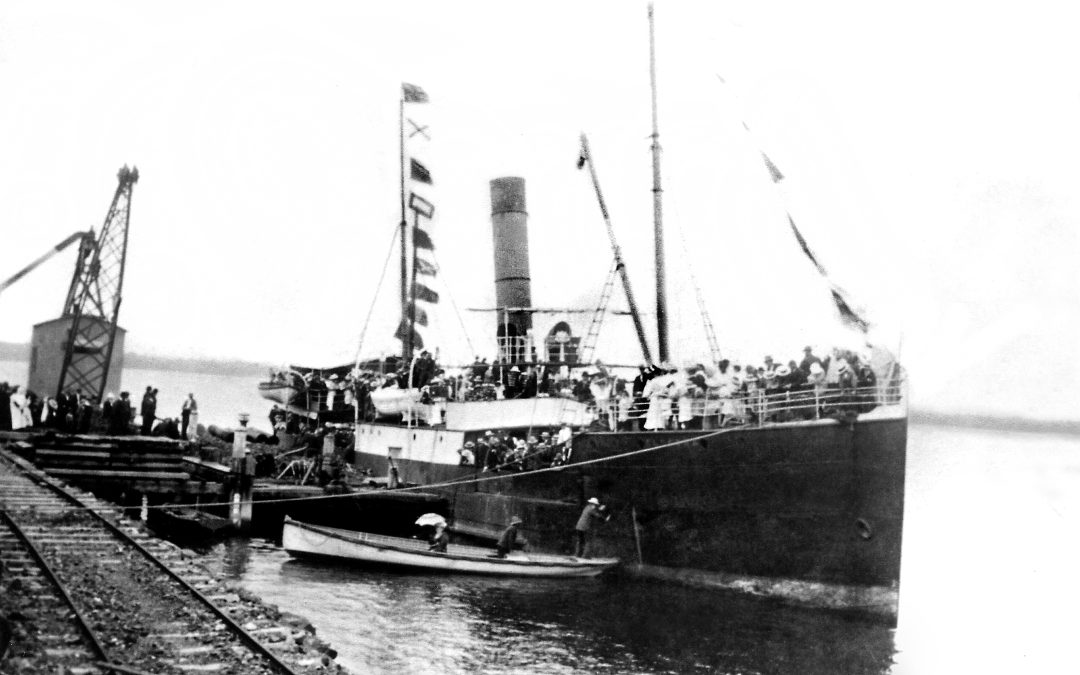
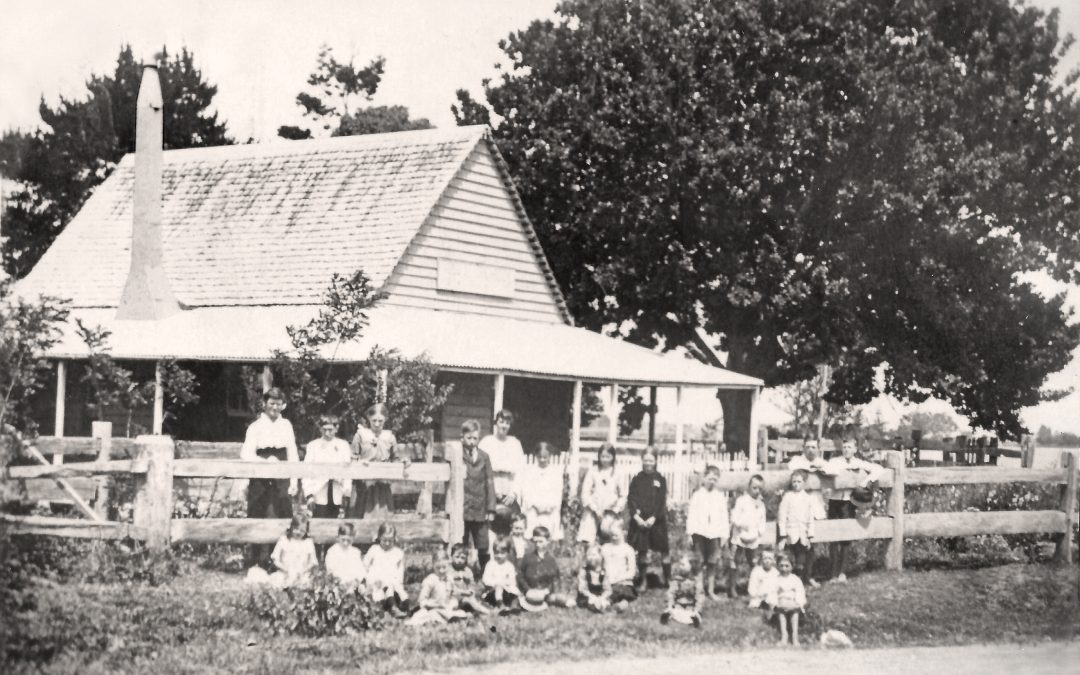
Harrington has a rich maritime history. In 1818, Surveyor General John Oxley crossed the Manning River near present-day Club Harrington during his second expedition in search of an inland sea. He named the river mouth Harrington Inlet after the Earl of Harrington. Information about Oxley’s journey can be found on interpretive signs in John Oxley Reserve.
Alexander Newton established his Pelican Shipyard in 1846, the first land was surveyed and sold in 1856, and the first Maritime Pilot was appointed in 1860. Harrington’s first school opened in 1874 and the first post office in 1878. The settlement was proclaimed a village in 1898.
A Pilot Station was established on Pilot Hill in the 1860s to guide vessels safely across the dangerous Manning River bar. It operated for almost a century. Although the station no longer exists, information signs and a small cemetery commemorate the pilots, boatmen, and their families.
The Breakwall is another important Harrington landmark. Constructed between 1896 and 1931, it extends about one kilometre into the Pacific Ocean and two kilometres upstream. Today it is popular for fishing, walking, cycling and enjoying views across the river, ocean and hinterland.
Since dredging ceased in the 1940s, sand has accumulated along the Breakwall, creating a large sand spit and gradually moving the river entrance south towards Manning Point. The sand spit has become an important breeding ground for endangered shorebirds, including Little Terns and Beach Stone-curlews.
Harrington has changed considerably in recent decades, evolving from a small fishing and shipbuilding village into a popular residential and tourism destination, with developments including Harrington Waters and The Hamptons Harrington.
Crowdy Head
Beautiful Crowdy Head is a picturesque headland seven kilometres north-east of Harrington. It is home to the heritage-listed Crowdy Head Lighthouse, built in 1878, which offers spectacular 360-degree views of the Pacific Ocean, Crowdy Bay and surrounding hinterland.
Crowdy Head Harbour was once home to a fleet of professional fishing vessels. Today it provides refuge for passing vessels, is home to Marine Rescue’s Crowdy 30 vessel, and is a popular boat-launching point for recreational fishers.
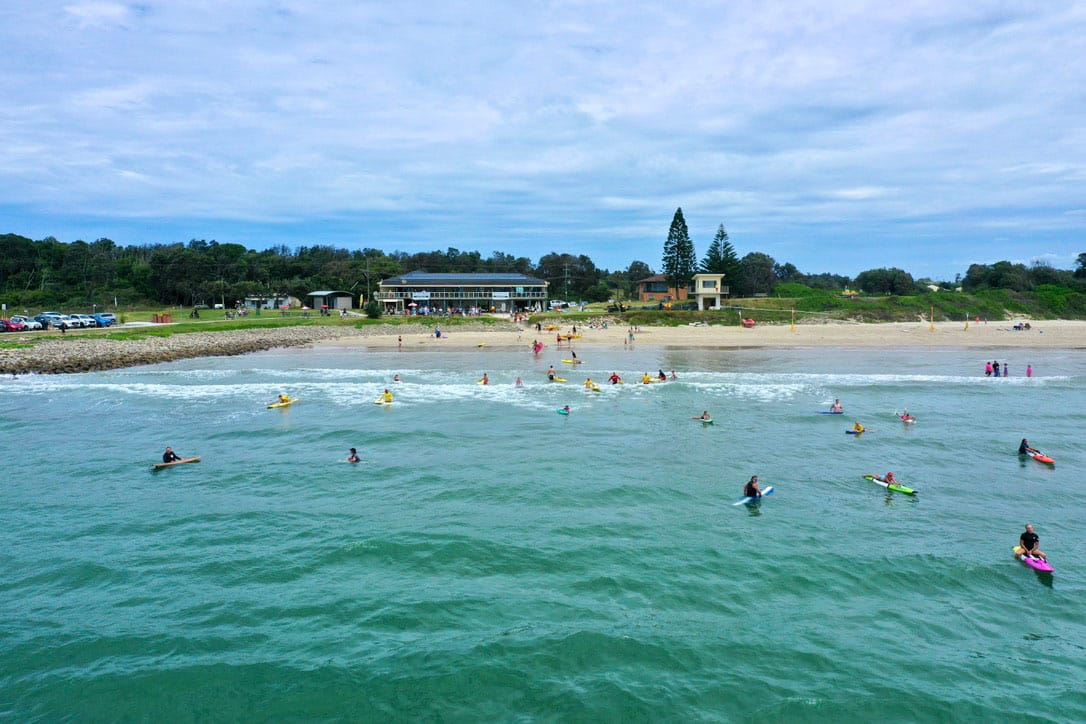
Crowdy Head is also home to the Crowdy Head Surf Life Saving Club, which overlooks Crowdy Bay Beach. The beach is patrolled during the summer months and is popular with families, swimmers and walkers.
Surrounded by Crowdy Bay National Park and Harrington Beach State Park, Crowdy Head offers easy access to beautiful beaches, coastal walks and abundant native flora and fauna.
Coopernook
Historic Coopernook is located 11 kilometres west of Harrington and has a population of approximately 520 people.
The village began as a small river port on the Lansdowne River, with timber-getting and shipbuilding important to the local economy. The arrival of the North Coast Railway in 1913 and changes to forest management have contributed to the decline of shipbuilding and the timber industry.
However, Coopernook has retained much of its country character and heritage. The Public School was established in 1875, the Post Office opened in 1876, the School of Arts Hall was built in 1901 and the Hotel Coopernook, overlooking the river, was built in 1928.

COMMUNITY
EXPLORE
FIND

Harrington & Surrounds website is owned & maintained by the Harrington & Surrounds Business & Community Association Incorporated.